Rice steamers, detailed in various manuals like the ARC-743 series instructions, offer convenient cooking. They simplify meal preparation,
especially for perfectly cooked rice and steamed dishes, ensuring consistent results every time.
A rice steamer is an automated kitchen appliance designed to simmer rice, utilizing steam to achieve a fluffy, evenly cooked texture.
Modern models, such as the Digital Simplicity Rice Cooker, often include versatile functions beyond basic rice cooking.
Utilizing a rice steamer provides numerous benefits, including ease of use, consistent results, and often, multi-functionality.
These appliances, as highlighted in Yum Asia guides, eliminate guesswork and deliver perfectly cooked rice with minimal effort.
What is a Rice Steamer?
A rice steamer, as detailed in manuals for models like the ARC-743-1NG, is a specialized kitchen appliance designed to cook rice using the power of steam. Unlike traditional stovetop methods, a rice steamer automates the process, ensuring consistent and perfectly cooked rice every time. These appliances typically consist of a heating element, a cooking pot, and a lid that traps steam.
Modern rice steamers, such as the Digital Simplicity Rice Cooker, often go beyond basic rice cooking. They frequently incorporate features like steaming baskets for vegetables or fish, and some even offer slow cooking capabilities. The internal thermostat, as found in many models, regulates temperature for optimal results. Troubleshooting guides emphasize proper component function, like ensuring buttons spring back correctly.
Essentially, a rice steamer simplifies the art of rice preparation, removing the need for constant monitoring and reducing the risk of burning or undercooking.
Benefits of Using a Rice Steamer
Utilizing a rice steamer offers a multitude of benefits, streamlining kitchen tasks and improving meal quality. As highlighted in various manuals, including those for the ARC-743 series, the primary advantage is consistent results – perfectly cooked rice every time, eliminating guesswork. This is achieved through automated temperature control and steam distribution.
Beyond consistency, rice steamers offer convenience. Many models, like the Digital Simplicity cooker, feature “keep warm” functions, holding rice at an ideal temperature for extended periods. Troubleshooting guides suggest addressing issues like mushy rice by reducing liquid. Furthermore, steamers often allow for multi-functional cooking, including steaming vegetables or preparing other dishes simultaneously.
Ultimately, a rice steamer saves time, reduces effort, and delivers reliably delicious results, making it a valuable addition to any kitchen.
Understanding Your Rice Steamer
Rice steamers, like the Digital Simplicity model, consist of key components working together. Familiarizing yourself with these parts, as detailed in the manual, ensures optimal performance and longevity.
Key Components of a Rice Steamer
The inner pot is crucial, often non-stick for easy cleaning, and holds the rice and water. The heating element, located beneath the pot, generates the steam for cooking. A thermostat regulates temperature, ensuring consistent results, and is vital for automatic shut-off, as noted in troubleshooting guides.
The steam vent releases excess steam during cooking, preventing pressure build-up. A condensation collector catches moisture, keeping the surrounding area dry. The lid creates a sealed environment for efficient steaming. Models like the ARC-743 series feature a locking mechanism for safety.
Finally, the housing encases all components, providing stability and insulation. Understanding each part, as outlined in your rice steamer manual, is key to proper operation and maintenance.
Control Panel Overview
The power button initiates the cooking cycle, while the “Cook/Start” button begins the selected function. Many models, like the Digital Simplicity Rice Cooker, feature preset programs for white rice, brown rice, and steaming. A “Keep Warm” button maintains rice temperature after cooking is complete.
Indicator lights display the current status – cooking, warming, or off. Some steamers include a timer for delayed start functionality. Digital displays show cooking time or selected program. Refer to your manual for specific button functions, as they vary between models.
Understanding the control panel, as detailed in the ARC-743 instruction manual, is essential for utilizing your rice steamer’s full capabilities. Always consult the manual for model-specific instructions.
Inner Pot and Accessories
The inner pot, typically non-stick coated, holds the rice and water during cooking. Ensure it fits securely within the steamer base. The Digital Simplicity Rice Cooker’s pot has a 4.75L capacity. A steam tray is often included for steaming vegetables, fish, or other foods simultaneously with rice.
Measuring cups, usually provided, are specifically calibrated for rice volume, differing from standard measuring cups. A rice paddle, often made of wood or plastic, is used for serving rice without scratching the non-stick coating. Always check your manual for included accessories.
Proper care of the inner pot, as outlined in the ARC-743 manual, is crucial for longevity. Avoid abrasive cleaners that can damage the non-stick surface.

Using Your Rice Steamer: Basic Operation
Basic operation involves measuring rice and water, placing them in the inner pot, and selecting the appropriate cooking cycle, as detailed in your manual.
Refer to your rice steamer manual for specific water-to-rice ratios, varying by rice type, to achieve optimal texture and avoid issues like mushiness.
Measuring Rice and Water
Accurate measurement is crucial for successful rice cooking, as highlighted in many rice steamer manuals, including those for the ARC-743 series. Typically, the inner pot features marked lines indicating water levels for different rice quantities.
Generally, a 1:1 ratio of rice to water works well for white rice, but this can vary. Brown rice usually requires more water – approximately a 1:1.5 ratio. Always consult your specific model’s instructions for precise measurements.
Using the provided measuring cup ensures consistency. Avoid using standard kitchen cups, as they may differ in volume. For optimal results, rinse the rice before cooking to remove excess starch, contributing to a fluffier texture. Remember, variations in rice type can affect the ideal water-to-rice ratio.
Cooking White Rice
Cooking white rice is typically straightforward. After measuring rice and water (usually a 1:1 ratio), place them in the inner pot. Ensure the pot is clean and fits securely within the steamer, as noted in Digital Simplicity Rice Cooker guides.
Close the lid firmly and select the “White Rice” or “Cook” function on the control panel. The steamer will automatically switch to the “Keep Warm” mode once cooking is complete. Allow the rice to rest for 10-15 minutes before fluffing with a fork.
If the rice is too dry, slightly increase the water amount next time. Conversely, if it’s mushy, reduce the water. Refer to the troubleshooting section of your manual for further guidance on achieving the desired consistency.
Cooking Brown Rice
Cooking brown rice requires a slightly different approach than white rice. Typically, a 1:1.5 or 1:2 rice-to-water ratio is recommended, as brown rice needs more liquid and time to cook thoroughly. Place the measured rice and water into the steamer’s inner pot.
Select the “Brown Rice” function, if available, on your rice steamer’s control panel. If not, use the standard “Cook” function, but expect a longer cooking time. Once finished, allow the rice to steam for an additional 10-15 minutes with the lid closed.
Troubleshooting mushy brown rice involves reducing the water next time. For dry or hard rice, increase the water slightly. Consult your manual for specific recommendations based on your model.
Advanced Features and Functions
Modern rice steamers offer features like steam cooking, slow cooking, and a “Keep Warm” function, expanding versatility beyond basic rice preparation, as noted in manuals.
The Steam Cooking function utilizes a steaming basket for vegetables or other foods, ensuring healthy and flavorful results, as detailed in the Digital Simplicity guide.
The Keep Warm function automatically switches on after cooking, maintaining rice temperature for hours without overcooking, a convenient feature for meal timing.
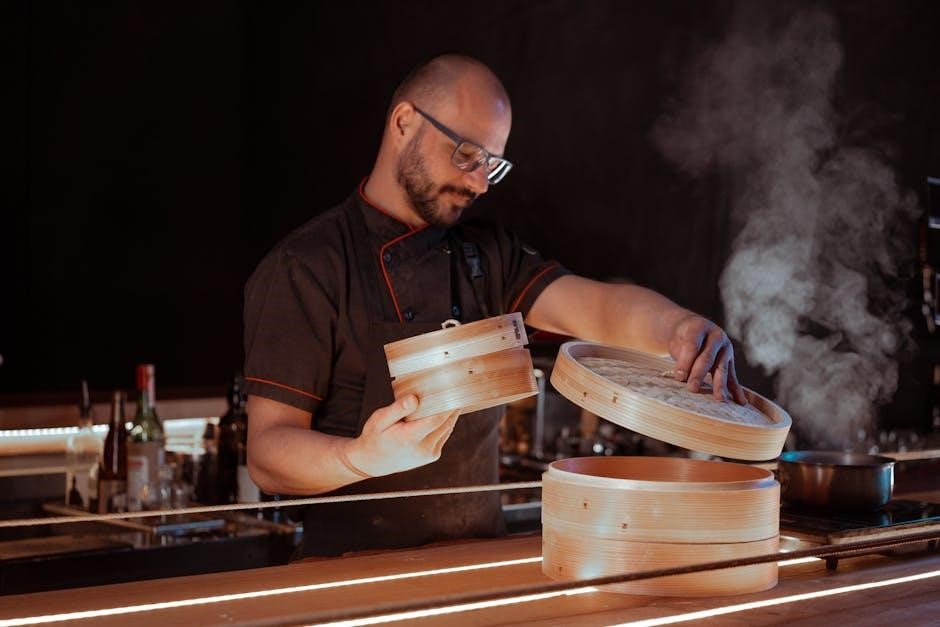
Steam Cooking Function
The Steam Cooking function, a versatile feature in many rice steamers like the Digital Simplicity model, allows for healthy and flavorful cooking beyond just rice. This function utilizes steam generated during operation to cook vegetables, fish, poultry, or dumplings.
To use the Steam Cooking function, ensure the steamer includes a dedicated steaming basket or rack. Add water to the inner pot, typically indicated by a water level marking for steaming. Place the food to be steamed inside the basket, ensuring it doesn’t touch the water.
Select the “Steam Cook” setting on the control panel. If the cooking pot boils dry during operation, the manual advises adding more water and re-selecting the function. This ensures continuous steaming and prevents burning. Remember to consult your specific model’s manual for precise water level guidelines and recommended steaming times for different foods.
Slow Cook Function
While not universally available on all models, some advanced rice steamers incorporate a Slow Cook function, expanding their culinary capabilities. This feature allows for extended, low-temperature cooking, ideal for tenderizing tougher cuts of meat or creating flavorful stews and soups.
Refer to your specific rice steamer’s manual – like those for the ARC-743 series – for detailed instructions on utilizing the Slow Cook setting. Typically, this involves adding ingredients directly to the inner pot, selecting the desired slow cook time (often with low, medium, and high settings), and initiating the process.
Remember to always follow recipe guidelines for liquid amounts when slow cooking. Proper liquid levels are crucial for preventing burning and ensuring even cooking. The slow cook function offers a convenient way to prepare hearty meals with minimal supervision.
Keep Warm Function
A standard and highly convenient feature on most rice steamers is the Keep Warm function. Once the cooking cycle is complete, the steamer automatically switches to this mode, maintaining the rice at an optimal serving temperature for extended periods.
This eliminates the need to constantly reheat rice, ensuring it remains fluffy and palatable. Refer to your model’s manual – such as instructions for the Digital Simplicity Rice Cooker – for specific details on the Keep Warm duration. Some models may offer adjustable Keep Warm settings.
It’s important to note that while the Keep Warm function prevents cooling, prolonged holding can slightly alter the rice’s texture. Generally, rice can be safely held on Keep Warm for several hours without significant quality loss.
Troubleshooting Common Issues
Troubleshooting guides, like those for the ARC-743, address issues like dry rice, mushy textures, or a steamer failing to power on, offering quick fixes.
Rice is Too Dry/Hard
If your rice consistently emerges dry or hard after cooking, several factors might be at play, as detailed in various rice steamer manuals. First, ensure you’re using the correct water-to-rice ratio; different rice varieties require varying amounts of liquid.
According to troubleshooting tips for models like the ARC-743, insufficient water is the most common cause. Try incrementally increasing the water amount in subsequent cooking cycles. Also, verify that the inner pot is sealing correctly to maintain steam pressure.
Furthermore, consider the age of your rice; older rice tends to be drier. Finally, avoid opening the lid during the cooking process, as this releases essential steam. If issues persist, consult the manual’s specific recommendations for your rice type.
Rice is Mushy
Experiencing mushy rice is a common issue, often stemming from an imbalance of liquid during the cooking process. As highlighted in manuals for models like the Digital Simplicity Rice Cooker, excessive liquid is the primary culprit. Reduce the amount of water used in your next cooking cycle, even by just a small increment.
Another potential cause, as noted in troubleshooting guides, is using the wrong rice-to-water ratio for the specific rice variety. Always refer to the recommended measurements in your steamer’s manual. Ensure the cooking pot is not overfilled, as this can also contribute to a mushy texture.

Finally, if using the steam cook function, verify that the cooking pot hasn’t boiled dry; add more water and resume steaming if necessary.
Steamer Not Turning On
If your rice steamer fails to power on, several factors could be at play. First, ensure the power cord is securely plugged into both the steamer and a functioning electrical outlet. A loose connection is a surprisingly common issue, as noted in various troubleshooting resources.
Next, check if the inner pot is correctly positioned. Many models feature a safety mechanism that prevents operation if the pot isn’t properly seated. Also, verify the ‘1’ button is fully depressed and released before attempting to use other functions, as detailed in some manuals.
If these steps don’t resolve the issue, consult the customer assistance number provided with your appliance for further support.
Cleaning and Maintenance
Regular cleaning ensures longevity and optimal performance. Always unplug the steamer before cleaning, and wash the inner pot after each use, as per the manual.
The steamer body requires occasional wiping with a damp cloth. Proper storage, when not in use, protects the appliance from dust and damage.
Cleaning the Inner Pot
The inner pot is the most frequently used component and requires thorough cleaning after each use to prevent residue buildup and maintain optimal cooking performance. Most inner pots are non-stick coated, so avoid abrasive cleaners or scouring pads that could damage the surface.
For routine cleaning, simply wash the inner pot with warm, soapy water using a soft sponge or cloth. Ensure all rice particles are removed. If food is stuck, soak the pot in warm water for a few minutes before washing; Some manuals suggest a gentle baking soda paste for stubborn residue.
Thorough drying is crucial before reassembling the steamer. Leaving moisture can lead to corrosion or affect the appliance’s functionality. Always refer to your specific model’s manual for any specific cleaning instructions or warnings regarding the inner pot material.
Cleaning the Steamer Body
The exterior of your rice steamer requires regular cleaning to maintain its appearance and hygiene. Always ensure the steamer is unplugged and completely cool before cleaning. Wipe down the exterior with a damp, soft cloth. Avoid using harsh chemicals or abrasive cleaners, as these can damage the finish.
For stubborn stains or spills, a mild dish soap solution can be used, followed by a clean, damp cloth to remove any residue. Pay attention to the control panel area, ensuring no moisture enters the buttons or display.
Never immerse the steamer body in water or any other liquid. This could cause electrical shock or damage the internal components. Refer to your specific model’s manual for detailed cleaning instructions and safety precautions.
Proper Storage
When storing your rice steamer, ensure it is completely cool, dry, and clean. This prevents mildew or unpleasant odors from developing. It’s best to store the steamer in its original packaging if available, offering protection from dust and minor impacts.
If the original packaging isn’t available, a clean, dry location away from direct sunlight and extreme temperatures is ideal. Avoid storing heavy items on top of the steamer, as this could potentially damage the exterior or internal components.
Keep the power cord neatly coiled and stored with the steamer, preventing tangling or damage. Regularly check the storage area for pests or moisture, ensuring the appliance remains in optimal condition for future use.
Safety Precautions
Always prioritize electrical safety, avoiding water exposure. Prevent burns by handling hot surfaces cautiously and ensure proper usage, following the manual’s guidelines.
Never immerse the steamer in water. Disconnect when cleaning and allow cooling before handling. Supervise children when the appliance is in operation.
Regularly inspect the cord for damage. Do not operate if damaged, and avoid using extension cords. Follow all warnings in the instruction manual.
Electrical Safety
Prioritizing electrical safety is paramount when operating your rice steamer. Never immerse the appliance, cord, or plug in water or other liquids to prevent electric shock. Always ensure your hands are dry before handling the steamer or its plug.
Regularly inspect the power cord for any signs of damage, such as fraying or exposed wires. If damage is detected, immediately discontinue use and contact customer assistance for repair or replacement. Avoid using extension cords whenever possible; if necessary, ensure it’s appropriately rated for the steamer’s wattage.
Always unplug the steamer from the electrical outlet when not in use, before cleaning, and during storage. Do not operate the appliance with a damaged cord or plug, or if it malfunctions in any way. Never attempt to repair the steamer yourself; refer to qualified personnel for servicing. Ensure the outlet is properly grounded.
Avoiding Burns
Exercise extreme caution when operating your rice steamer to prevent burns. The exterior surfaces, particularly the lid and steam vent, become very hot during and immediately after cooking. Always use oven mitts or pot holders when handling these parts.
Avoid touching the inner pot directly after cooking, as it will retain significant heat. Allow sufficient cooling time before removing the pot or handling the cooked rice. Be mindful of escaping steam, which can cause severe burns; direct the steam away from your face and body.
Never attempt to open the lid forcefully during the cooking cycle, as pressurized steam will be released. Ensure the steamer is placed on a stable, heat-resistant surface and keep children away during operation. Carefully handle hot rice and accessories to prevent accidental burns.
General Usage Safety
Always operate your rice steamer according to the instructions provided in the manual, like those for the ARC-743 series. Never immerse the steamer body in water or any other liquid to prevent electrical shock. Ensure the power cord is securely plugged into a grounded outlet.
Do not use the steamer with a damaged cord or plug, or if it malfunctions in any way. Avoid using extension cords. Regularly inspect the inner pot for damage and replace it if necessary. Never attempt to repair the steamer yourself; contact qualified service personnel.
Use the steamer only for its intended purpose – cooking rice and steaming food. Do not operate the appliance unattended. Ensure proper ventilation around the steamer during operation and keep flammable materials away from it.