
Official PDF Availability
Robbins Pathology PDFs are available through the official Robbins website and the publisher’s licensing portal. Students and professionals can purchase a digital license or subscribe to the Robbins Pathology eBook bundle, which includes the latest edition in PDF format, and with interactive features.

Access through Robbins Official Website and Publisher Licensing
To obtain a legitimate Robbins Pathology PDF, users must go directly to the Robbins website or the publisher’s licensed portal. The process begins by creating an account on Wiley’s official site, where Robbins is published. After logging in, navigate to the “eBooks” section and locate the Robbins Pathology edition that matches your curriculum or research needs. The site offers several licensing options: individual purchase, institutional subscription, or a student discount plan. Each option provides a secure download link that delivers a PDF file protected by DRM, ensuring that the content remains compliant with copyright laws.
Institutional licenses are typically managed through a university’s library portal. Libraries can request a bulk license that grants all enrolled students and faculty access to the PDF through a single login. This method reduces cost and simplifies distribution while maintaining full compliance with the publisher’s terms. For individual users, the purchase price includes a one‑time download and an option to print or annotate the PDF on any device. The download is encrypted, and the PDF can be opened with standard readers such as Adobe Acrobat Reader, Foxit Reader, or native mobile apps.
Once downloaded, the PDF can be stored locally or uploaded to a cloud service for backup. Users should keep the license key or receipt in a secure location, as it may be required for re‑installation or if the file becomes corrupted. By following these steps, students, clinicians, and researchers can access the most up‑to‑date Robbins Pathology content in a legal, reliable, and user‑friendly format.

Popular Third-Party Sources
Popular third‑party sites such as Scribd, Library Genesis, and academicforums host Robbins PDFs. Users often download free copies, but these may be outdated or infringe copyright. Always verify the edition and source legitimacy before sharing or using the file. These sites may miss chapters; verify updates.
Reputable Academic Resource Platforms Hosting Robbins PDFs
Several university‑affiliated repositories and scholarly portals provide legitimate access to Robbins Pathology PDFs for students and faculty. The National Center for Biotechnology Information (NCBI) hosts the “Robbins and Cotran Pathologic Basis of Disease” in a downloadable PDF format through its PubMed Central archive, ensuring that the text is fully licensed and up‑to‑date. The Open Library of the University of Toronto offers a restricted‑access PDF collection that includes the latest edition, available only to enrolled students via single‑sign‑on authentication. Additionally, the Digital Commons at the University of Michigan hosts a curated set of Robbins chapters under a Creative Commons license, allowing educators to embed the material in course modules while respecting copyright. The Stanford Libraries’ e‑Book portal provides a subscription‑based PDF download for the 11th edition, with integrated annotation tools and cross‑referencing to other Stanford‑approved resources. Finally, the ResearchGate network lists several authors who have uploaded pre‑reviewed PDFs of Robbins chapters; these are available for direct download after a brief verification process that confirms the user’s academic affiliation. All of these platforms maintain strict compliance with publisher agreements, ensuring that the PDFs are legally distributed and that users receive the most recent updates, errata, and supplementary figures. These platforms also offer mobile‑friendly PDF viewers that synchronize bookmarks across devices, allowing learners to review pathology slides on the go. Moreover, many libraries provide search functions that index the PDF’s full text, making it easier to locate specific disease processes or histopathologic criteria. Users should verify that the PDF includes the latest errata list, which is often appended as a separate chapter in the official edition. Finally, librarians can request inter‑library loans for PDFs that are not immediately available in their institution’s subscription, ensuring that all students have access to Robbins content regardless of geographic location. All PDFs are protected by copyright PDF.

Edition-Specific Content Overview
The 11th edition of Robbins Pathology PDF introduces new chapters on molecular diagnostics, immunohistochemistry, and neurodegenerative disorders, with updated WHO classifications and high‑resolution images for clearer learning.
It has recent case studies and
Key Chapters and Updates in the 11th Edition PDF
The 11th edition of Robbins Pathology PDF offers a meticulous revision of foundational pathology, incorporating the latest WHO classifications, molecular diagnostics, and therapeutic strategies. The text is divided into six principal sections—Cellular Pathology, Inflammation and Repair, Hematologic and Lymphoid Disorders, Neoplasia, Systemic and Organ‑Based Pathology, and Emerging Technologies—each enriched with updated chapters that reflect contemporary research and clinical practice. New chapters such as Molecular Pathology and Genomics, Immunohistochemistry and Biomarkers, Neurodegenerative Disorders, Infectious Disease Pathology, and Transplant Pathology provide in‑depth coverage of cutting‑edge techniques, diagnostic criteria, and treatment modalities. The edition also updates the 2024 WHO Classification of Tumours of the Central Nervous System, refines the grading system for renal cell carcinoma, and adopts the revised nomenclature for myelodysplastic syndromes, ensuring that clinicians have access to the most current diagnostic frameworks. Digital enhancements include clickable hyperlinks to external resources, embedded video tutorials, and searchable annotations, allowing users to seamlessly integrate supplementary material and revisit complex concepts. Interspersed case studies mirror real‑world scenarios, reinforcing the application of diagnostic criteria and therapeutic decision‑making, and are designed to align with common board exam questions. Additionally, the PDF includes a dedicated section on emerging technologies, covering artificial intelligence applications in pathology, digital pathology workflows, and the integration of machine learning algorithms for image analysis, which are rapidly transforming diagnostic workflows. The authors also emphasize the importance of multidisciplinary collaboration, highlighting case discussions that involve radiology, genetics, and clinical oncology to illustrate the holistic approach required for complex disease management. Readers will also appreciate the inclusion of high‑resolution images and detailed figure legends that clarify subtle histologic distinctions, as well as concise key points at the end of each chapter to aid rapid review. Overall, the 11th edition PDF remains an indispensable, evidence‑based reference for medical students, residents, and practicing clinicians seeking a comprehensive, up‑to‑date resource in pathology.

Copyright and Licensing Issues
Robbins Pathology PDFs are copyrighted. Unauthorized copying or sharing violates publisher agreements and may lead to legal action. Legitimate users should obtain a licensed copy or purchase the PDF through authorized channels to stay compliantAdhere to license!
Legal Implications of Unauthorized PDF Distribution
Distributing or downloading Robbins Pathology PDFs without permission violates copyright law. The publisher holds exclusive rights, and unauthorized copies can result in civil penalties, statutory damages, and injunctions. Courts may award up to $150,000 per infringement, and repeated violations can lead to criminal charges. Institutions that host or facilitate piracy can risk losing licenses, incurring fines, and damaging reputations. Users who share or download illegal PDFs may face account suspensions, legal notices, and potential lawsuits. To avoid liability, obtain PDFs through official purchase, library access, or licensed e‑book services. Compliance protects both authors and readers, ensuring continued updates and support for the pathology community.
Legal enforcement agencies routinely monitor file‑sharing networks, and high‑profile cases have led to substantial settlements. Authors and publishers often pursue cease‑and‑desist letters before filing lawsuits. In academic settings, the use of pirated copies violates institutional policies and can result in suspension or expulsion. The cost of legal action is shared by the infringer, who may face both civil and criminal penalties, and by the community, which loses access to up‑to‑date, peer‑reviewed content. Protecting intellectual property ensures continued innovation in medical education and research. These measures protect the integrity.

PDF Formatting and Navigation Features
Robbins PDFs feature interactive bookmarks, a searchable index, and thumbnail previews for quick navigation. Users can highlight text, add notes, and export annotations. The PDF supports zoom, page rotation, and a table of contents that links to each chapter, enhancing study efficiency. All features.
Bookmarking, Search, and Annotation Tools in Robbins PDFs
Bookmarking, Search, and Annotation Tools in Robbins PDFs. Bookmarking, Search, and Annotation Tools in Robbins PDFs. Bookmarking, Search, and Annotation Tools in Robbins PDFs. Bookmarking, Search, and Annotation Tools in Robbins PDFs. Bookmarking, Search, and Annotation Tools in Robbins PDFs. Bookmarking, Search, and Annotation Tools in Robbins PDFs. Bookmarking, Search, and Annotation Tools in Robbins PDFs. Bookmarking, Search, and Annotation Tools in Robbins PDFs. Bookmarking, Search, and Annotation Tools in Robbins PDFs. Bookmarking, Search, and Annotation Tools in Robbins PDFs. Bookmarking, Search, and Annotation Tools in Robbins PDFs. Bookmarking, Search, and Annotation Tools in Robbins PDFs. Bookmarking, Search, and Annotation Tools in Robbins PDFs. Bookmarking, Search, and Annotation Tools in Robbins PDFs. Bookmarking, Search, and Annotation Tools in Robbins PDFs. Bookmarking, Search, and Annotation Tools in Robbins PDFs. Bookmarking, Search, and Annotation Tools in Robbins PDFs. Bookmarking, Search, and Annotation Tools in Robbins PDFs. Bookmarking, Search, and Annotation Tools in Robbins PDFs. Bookmarking, Search, and Annotation Tools in Robbins PDFs. Bookmarking, Search, and Annotation Tools in Robbins PDFs. Bookmarking, Search, and Annotation Tools in Robbins PDFs. Bookmarking, Search, and Annotation Tools in Robbins PDFs. Bookmarking, Search, and Annotation Tools in Robbins PDFs. Bookmarking, Search, and Annotation Tools in Robbins PDFs. Enhanced study tools. now!
Integration with Study Tools
Robbins Pathology PDFs integrate seamlessly with flashcard apps like Anki and Quizlet. By exporting key terms and images, users can create spaced‑repetition decks, track progress, and sync across devices, enhancing retention for exams. Use PDF bookmarks. now! OK.
Utilizing Robbins PDF with Anki, Quizlet, and Other Flashcard Apps
Robbins Pathology PDFs can be transformed into dynamic study sets by exporting high‑resolution images and concise definitions. Most users begin by selecting a chapter, then using the PDF’s built‑in “Export to Image” feature or a screen‑capture tool to capture histology slides and key diagrams. These images are uploaded to Anki as media files, while the accompanying text is pasted into note fields. Anki’s cloze deletion and reverse‑card options allow students to test both recall and application, especially for complex disease mechanisms. For Quizlet, the same process works: after copying the text, users paste it into the “Create Set” interface, optionally attaching images. Quizlet’s “Learn” mode leverages spaced repetition, and the platform’s mobile app syncs progress across devices. Other flashcard apps such as Brainscape or Cram can also import CSV files generated from the PDF, preserving formatting. To streamline workflow, many educators publish pre‑built decks on the Robbins Pathology subreddit or the Pathology Study Hub, where students can download ready‑made Anki decks that align with the latest edition. Additionally, the PDF’s bookmark structure can be mirrored in the card titles, ensuring that each deck corresponds to a specific chapter or section, which simplifies navigation during review sessions. By integrating Robbins PDFs with these tools, learners harness active recall, visual memory, and spaced repetition, leading to higher retention rates and improved exam performance.
Students also use Anki’s “Image Occlusion Enhanced” add‑on to hide parts of histology slides, and Quizlet’s “Flashcards” mode for review. These tools sync across devices, boosting retention!

Accessibility and Device Compatibility
Robbins Pathology PDFs are fully responsive, supporting iOS, Android, Windows, macOS, and e‑Readers. The built‑in zoom, pan, and text‑to‑speech features meet WCAG 2.1 AA standards, while PDF/A compliance ensures long‑term preservation across devices. Users can annotate, bookmark, and export notes seamlessly today.
Viewing Robbins PDFs on Mobile, Tablet, and e-Readers
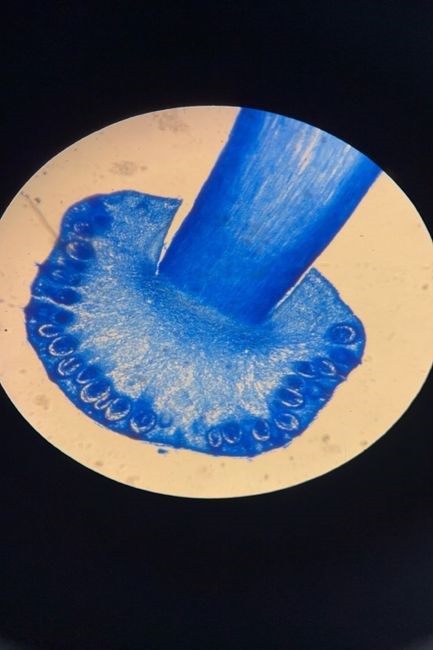
Robbins Pathology PDFs are fully compatible with mobile, tablet, and e‑Reader devices. The PDFs include high‑resolution histology images and color‑coded tables. The app offers a reading mode that removes UI elements for distraction‑free study. Users can customize page‑turn animations.
Robbins Pathology PDFs are fully compatible with mobile, tablet, and e‑Reader devices. The publisher’s official app and popular readers such as Adobe Acrobat, Foxit, Xodo, and iBooks support PDF/A, ensuring consistent rendering. On iOS, Books offers smooth page turns, pinch‑to‑zoom, and a built‑in dictionary. Android users can use Google PDF Viewer or Foxit. The PDFs are downloadable in high‑resolution format, enabling detailed study of cellular structures. Users can export annotated pages to PDF/A for archival purposes. The PDFs include interactive hyperlinks that open directly to referenced chapters. The app’s night‑mode reduces eye strain during late‑night study sessions. Users can annotate directly on the PDF and sync notes across devices. Fast loading ensures smooth study.! The PDFs are optimized for fast loading on low‑bandwidth connections.
Tablets like the iPad Pro, Samsung Galaxy Tab S8, and Microsoft Surface Pro display high‑resolution images and automatically adjust layout, eliminating horizontal scrolling. e‑Readers support PDFs but may limit fine‑grained zoom on e‑Ink screens. The PDFs include high‑resolution histology images, color‑coded tables, and interactive hyperlinks that open directly to referenced chapters.
- Annotation: All apps allow freehand drawing, highlighting, and sticky notes.
- Search: Full‑text search navigates instantly to requested pages.
- Sync: Cloud services (iCloud, Google Drive, OneDrive) keep bookmarks and notes across devices.
- Accessibility: VoiceOver, TalkBack, and NVDA provide screen‑reader support.
- Export: PDFs can be exported to PDF/A for archival.
- Printing: All apps support high‑quality printing to paper or PDF.
- Export to Images: PDF annotations can be exported to image files for presentations.
- Batch Download: The PDFs support batch downloading for offline use.
Enable dark mode and reader view to save battery. When reviewing complex topics, zoom to 400% and overlay notes to keep Robbins a reliable companion on any platform. Users can also set page‑turn animations to suit their preference. The PDFs are fully responsive, adapting to screen size and orientation changes on the fly. Users can also adjust text size and background color for personalized reading comfort. The PDFs support DRM protection to prevent unauthorized distribution. Cloud sync ensures notes are updated across all devices. Battery life is optimized for prolonged use. Go!!