
Suit Jacket Size Guide: A Comprehensive Overview (Updated 03/08/2026)
Navigating suit jacket sizing requires understanding chest measurements, length options, and international conversions. This guide provides essential charts and measuring tips for a flawless, tailored fit, ensuring confidence in your purchase.
Understanding Suit Jacket Sizing Fundamentals
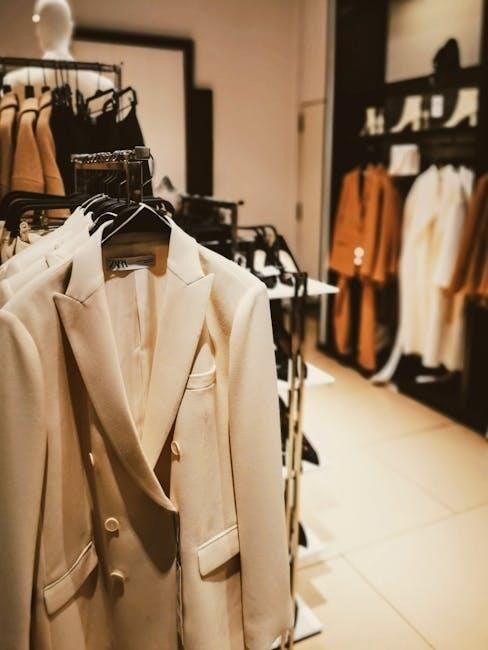
Suit jacket sizing isn’t simply about Small, Medium, or Large; it’s a nuanced system built around your body’s measurements. The core of finding the right fit lies in accurately determining your chest circumference, as this dictates the jacket’s numerical size. US sizes are typically represented by a number corresponding to chest inches, followed by a letter indicating length – Short (S), Regular (R), or Long (L), and sometimes Extra Long (XL).
Understanding that a ’40R’ doesn’t mean a universal fit is crucial. The ’40’ refers to your chest measurement, while ‘R’ signifies a regular jacket length. However, variations exist between manufacturers, making precise measurement paramount. Beyond chest size, jacket length significantly impacts overall appearance. A well-fitted jacket should cover your seat and allow comfortable movement without feeling restrictive.
Furthermore, recognizing the difference between suit sizes and sport coat sizes is important, though the fundamentals remain similar. Accurate measurements – chest, waist, hips, inseam, and arm length – are the foundation of a successful suit purchase. Ignoring these details can lead to an ill-fitting garment requiring costly alterations. This guide aims to demystify the process, empowering you to confidently select a suit jacket that complements your physique and style.
US Suit Jacket Sizes: Chest Measurement & Length
In the US, suit jacket sizes are primarily determined by chest circumference and jacket length. Sizes typically range from 36 to 56 inches, increasing in two-inch increments. To find your size, measure around the fullest part of your chest, keeping the tape measure level. This measurement, in inches, is your jacket size. For example, a 40-inch chest corresponds to a size 40 jacket.
Jacket length is indicated by the letters S (Short), R (Regular), and L (Long). Regular is the most common length, suitable for most builds. Short is designed for individuals under 5’8”, while Long caters to those over 6’. Determining your correct length involves measuring your body from the base of your neck to your desired jacket hemline – typically covering your seat.
Suit sizes are expressed as a number and a letter (e.g., 38 Short, 42 Regular, 46 Long). It’s crucial to remember that these are guidelines; variations between brands exist. Always consult specific brand size charts when available. Sleeve length is also a factor, often correlating with jacket size, but may require individual adjustment for a perfect fit. Prioritizing accurate chest and length measurements is the first step towards a well-tailored suit.
Decoding Jacket Size Labels: Numbers and Letters
Understanding the numerical and alphabetical codes on suit jacket labels is key to finding the right fit. The number represents your chest measurement in inches – a direct correlation to the circumference around the fullest part of your chest. This is the primary indicator of jacket width.
The accompanying letter signifies the jacket’s length: ‘S’ denotes Short, ‘R’ signifies Regular, and ‘L’ indicates Long. These letters aren’t arbitrary; they cater to different body proportions. Regular length suits the average build, while Short suits those under 5’8”, and Long suits taller individuals.
However, be aware that sizing can vary between manufacturers. A size 40 from one brand might fit differently than a size 40 from another. Therefore, always refer to the specific brand’s size chart whenever possible. Some labels may also include additional information regarding the jacket’s cut or fit (e.g., slim fit, classic fit). Deciphering these codes, combined with accurate self-measurement, will significantly improve your chances of selecting a jacket that fits impeccably.
Suit Jacket Length Options: Short, Regular, and Long
Suit jacket length is crucial for achieving a balanced and proportionate silhouette. Traditionally, jacket length is determined by your height and torso length, offering three primary options: Short, Regular, and Long. Understanding these distinctions is vital for a flattering fit.
Short jackets are typically suited for individuals under 5’8”. They offer a more contemporary, streamlined look and prevent the jacket from appearing too long on a shorter frame. Regular length jackets are designed for those between 5’8” and 6’0”, representing the most common and versatile option.
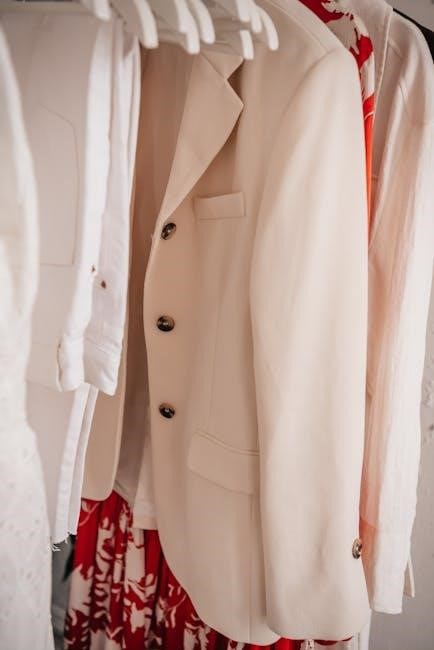
Long jackets cater to individuals taller than 6’0”. They ensure the jacket adequately covers the seat and maintains a balanced proportion. A properly fitted jacket should generally fall around your hip bone or slightly below. To determine the best length for you, stand with your arms relaxed at your sides and assess where the jacket naturally falls. Consider your body type and personal preference when selecting the ideal length.
Chest Size and Corresponding Jacket Size
Determining your suit jacket size begins with accurately measuring your chest circumference. US suit sizes are primarily based on chest measurements, expressed in inches. These numbers correlate directly to the jacket size, typically ranging from 36 to 56 inches, or even beyond for extended sizes.

However, a simple chest measurement isn’t the complete picture. Jacket sizes are often presented as a number followed by a letter – for example, 40R (Regular) or 42L (Long). The number represents your chest size, while the letter indicates the jacket’s length. A 40-inch chest generally corresponds to a size 40 jacket, but it’s crucial to consider your build and desired fit.
A snug, but comfortable fit is ideal. You should be able to button the jacket without strain or gaping; If your measurement falls between sizes, it’s generally recommended to size up, allowing for alterations to achieve a perfect fit. Remember that the jacket should comfortably accommodate your shoulders without feeling restrictive.
How to Accurately Measure Your Chest
Accurate chest measurement is foundational to finding the right suit jacket size. You’ll need a flexible measuring tape and ideally, assistance from another person for the most precise results. Stand upright with your arms relaxed at your sides, and breathe normally – do not suck in your stomach or puff out your chest.
Wrap the measuring tape around the fullest part of your chest, typically across the nipples and shoulder blades. Ensure the tape is level all the way around your body, and not too tight – it should be snug but comfortable. Avoid measuring over clothing, as this will add unnecessary bulk to the measurement.
Record the measurement in inches. If you’re measuring yourself, check the measurement a couple of times to ensure consistency. It’s helpful to have a friend double-check your work. If your measurement is an odd number, round up to the nearest even number when selecting your jacket size. This allows for a comfortable fit and potential alterations.
Measuring Your Sleeve Length for the Perfect Fit
Determining accurate sleeve length is crucial for a polished suit jacket appearance. Ideally, have someone assist you with this measurement. Start by standing naturally with your arms relaxed at your sides. Slightly bend your elbow – don’t fully extend or flex your arm.

Measure from the center back of your neck, over the shoulder point, down to your wrist bone. Keep the measuring tape relatively straight, but follow the natural curve of your arm. The wrist bone is the prominent bony part on the thumb side of your wrist.
Record this measurement in inches. A properly fitted sleeve should allow approximately ½ to ¾ of an inch of your shirt cuff to be visible. If your measurement falls between sizes, it’s generally better to round up, as sleeves can be shortened by a tailor if needed. Incorrect sleeve length can significantly impact the overall look of your suit, making it appear too short or awkwardly long.
Understanding Suit Jacket Fit: Key Considerations
Achieving the right suit jacket fit goes beyond simply matching numbers on a size chart. Several key areas demand attention for a truly tailored appearance. The shoulders are paramount; they should lie flat and hug your natural shoulder line without extending beyond it or feeling constricted.
The jacket’s chest should comfortably button without pulling or straining. A slight “V” shape when buttoned indicates a good fit. Pay attention to the jacket’s waist – it should gently taper to create a flattering silhouette, avoiding a boxy or overly tight appearance.
Consider the jacket length; it should cover your seat but not extend too far down your thighs. Sleeve length, as previously discussed, is also vital. Finally, ensure freedom of movement. You should be able to comfortably raise your arms without feeling restricted. A well-fitted jacket enhances your physique and projects confidence.
Suit Jacket Size Conversion Charts: US to UK
Converting between US and UK suit jacket sizes requires careful attention, as the systems differ. While a direct numerical correlation isn’t always accurate, this chart provides a general guideline. It’s crucial to remember that fit varies between brands, so these are approximations.
Generally, a US size 38 equates to a UK size 38R (Regular). A US 40 often corresponds to a UK 40R, and so on. However, UK sizing tends to be slightly smaller. Therefore, if you’re between sizes, it’s often advisable to size up when purchasing a UK suit jacket.
Here’s a simplified conversion table:
- US 36 = UK 36R
- US 38 = UK 38R
- US 40 = UK 40R
- US 42 = UK 42R
- US 44 = UK 44R
Remember to also consider the jacket length (S, R, L) when converting. Always prioritize accurate chest measurements for the best possible fit. Consulting specific brand size charts is highly recommended.
Suit Jacket Size Conversion Charts: US to European
Translating US suit jacket sizes to European standards presents another layer of complexity. European sizing utilizes centimeters, while US sizing relies on inches. Furthermore, variations exist between different European countries, though a general conversion can be established.
A US size 40, representing a 40-inch chest, typically equates to a European size 50, as 40 inches is approximately 101.6 centimeters. However, European sizing often runs smaller than US sizing, so consider this when making a purchase.
Here’s a general conversion guide:
- US 36 = European 46
- US 38 = European 48
- US 40 = European 50
- US 42 = European 52
- US 44 = European 54
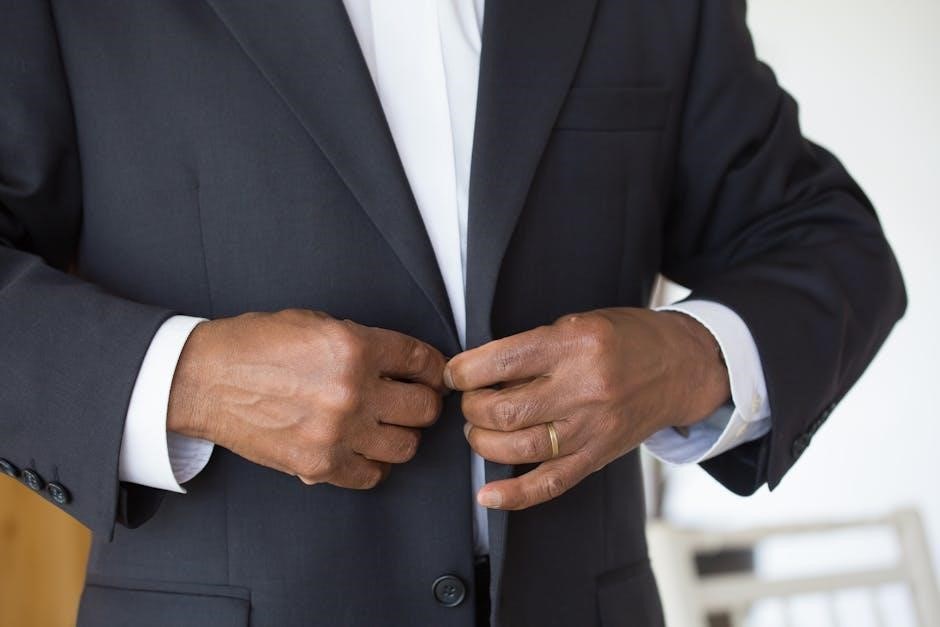
Always prioritize measuring your chest circumference in inches and converting it to centimeters for the most accurate European size. Brand-specific size charts are invaluable, as they account for individual tailoring styles. Remember to factor in the jacket length (S, R, L) alongside the numerical size for a perfect fit.
International Suit Size Variations: Italian & British Suits
Navigating suit sizes internationally requires understanding the distinct tailoring philosophies of Italian and British suitmakers. Both countries offer exceptional quality, but their sizing conventions differ significantly from US standards, and even from each other.
Italian suits are renowned for their slim, sculpted silhouettes. Italian sizing generally runs smaller than both US and British sizes. A US size 40 might correspond to an Italian size 50 or 52, depending on the brand and cut. Expect a closer, more fitted experience.
British suits, conversely, traditionally favor a more structured, classic fit. British sizing tends to be more generous than Italian, and often closer to US sizing, though still requiring careful consideration. A US 40 might align with a British 40R (Regular).
Key differences: Italian suits emphasize a tapered waist and higher armholes, while British suits prioritize comfort and a broader shoulder line. Always consult specific brand size charts and prioritize accurate chest measurements when purchasing internationally.
Using a Suit Size Calculator for Convenience
For those preferring a quick estimate, suit size calculators offer a convenient starting point, though they shouldn’t replace precise measurements. These online tools utilize inputted body measurements – chest, waist, height, and sometimes sleeve length – to suggest corresponding suit sizes.
While calculators streamline the initial sizing process, remember they provide approximations. Variations exist between brands and suit styles (slim fit vs. classic fit). Always verify the suggested size against the specific brand’s size chart.
How they work: Most calculators ask for your chest circumference as the primary input, then factor in height and build to refine the recommendation. Some advanced calculators also consider your preferred jacket length (short, regular, long).
Important Note: Treat calculator results as a guideline, not a definitive answer. Accurate self-measurement remains crucial for achieving the best possible fit. Use the calculator as a first step, then confirm with detailed measurements and brand-specific charts. Several retailers, like BadRhino, offer these tools.
Estimating Suit Size Without a Measuring Tape
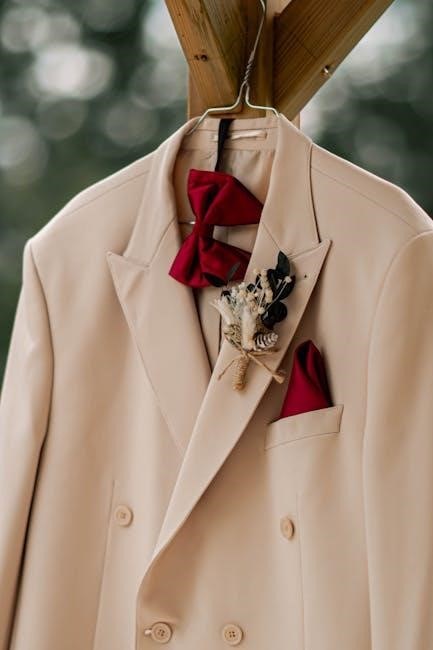
In situations where a measuring tape isn’t readily available, estimating your suit size requires utilizing familiar references and approximations. This method is less precise but can provide a reasonable starting point for online shopping or initial selections.
Chest Size Estimation: Use the width of your shoulders as a proxy. An average shoulder width is roughly 18-20 inches, correlating to a chest size of approximately 38-40 inches. Alternatively, consider the size of well-fitting dress shirts – the chest measurement on the shirt label can offer a clue.
Jacket Length: Assess your height. Individuals under 5’8” often require a ‘short’ jacket, those between 5’8” and 6’ typically fit a ‘regular’ length, and taller individuals (over 6’) may need a ‘long’ jacket.
Caution: This estimation method is prone to inaccuracies. Body shapes vary significantly. It’s always preferable to obtain accurate measurements with a tape measure whenever possible. Treat these estimations as a last resort and prioritize confirming the size with a brand’s specific size chart before making a purchase.
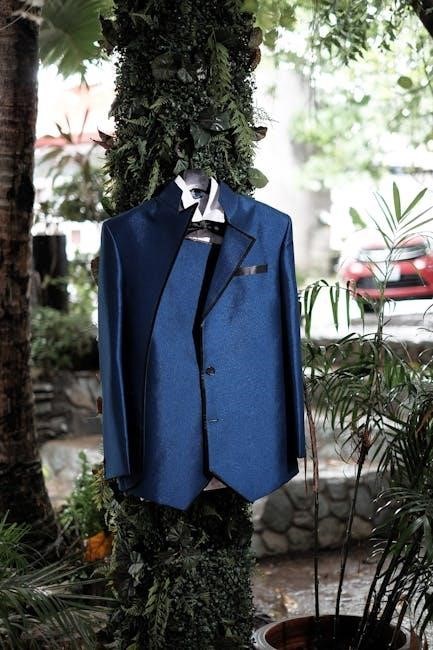
Suit Jacket Sizes for Different Body Types
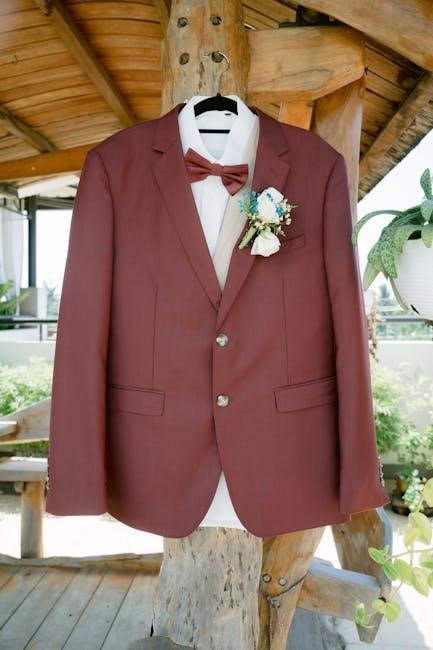
Achieving a flattering fit necessitates tailoring suit jacket size to individual body types. Standard sizing often requires adjustments to accommodate variations in physique.
Athletic Build: Individuals with broader shoulders and a narrower waist often benefit from a jacket with a slightly larger chest size and a tapered waist. Consider a trim-fit or modern-fit jacket to accentuate the V-shape.
Slim Build: A slim-fit jacket can enhance a lean physique. Pay attention to shoulder fit – avoid jackets that appear too boxy. Alterations may be needed to refine the waist and sleeve length.
Larger Build: Opt for a classic or relaxed-fit jacket to provide ample room and comfort. Avoid overly tight jackets, which can appear constricting. Ensure the jacket buttons close comfortably without strain.
Tall/Short Builds: Prioritize jacket length. Taller individuals require ‘long’ jackets, while shorter individuals should choose ‘short’ jackets to maintain proportion. Sleeve length adjustments are also crucial for a polished look. Remember, professional tailoring is key to achieving the perfect fit, regardless of body type.
Troubleshooting Common Fit Issues
Even with careful measurements, fit issues can arise. Addressing these promptly ensures a polished appearance and comfortable wear.
Shoulder Fit: If the jacket’s shoulder seams extend beyond your natural shoulder, it’s too large. Conversely, seams that pull or feel restrictive indicate a size too small. This is the most difficult alteration, so getting it right initially is crucial.
Sleeve Length: Sleeves should end approximately ½ inch above your wrist bone, allowing a glimpse of your shirt cuff. Excessively long sleeves appear sloppy, while short sleeves look disproportionate.
Jacket Length: An ill-fitting jacket length can disrupt your proportions. Too short looks awkward, while too long appears overwhelming. Consider your height and body type when assessing length.
Waist Suppression: A jacket that doesn’t follow your natural waistline can appear boxy. Tailoring the waist creates a more defined silhouette. Ensure you can button the jacket comfortably without straining.
Bunching or Wrinkling: These issues often indicate a poor shoulder fit or incorrect chest size. A skilled tailor can often resolve these problems with strategic adjustments.
Finding Your Perfect Fit: A Step-by-Step Guide
Achieving a perfect suit jacket fit requires a systematic approach. Follow these steps for a confident and stylish outcome.
Step 1: Accurate Measurement. Begin by accurately measuring your chest circumference, sleeve length, and jacket length. Enlist assistance for precision, ensuring the tape measure is level and snug, but not tight.
Step 2: Consult Size Charts. Utilize the provided US, UK, and European conversion charts to translate your measurements into corresponding suit jacket sizes. Remember that sizing can vary between brands.
Step 3: Initial Selection. Choose a jacket size based on your chest measurement, then select the appropriate length (short, regular, or long) based on your height and build.
Step 4: The Try-On Test. When trying on the jacket, assess the shoulder fit first. Ensure the seams align with your natural shoulders without extending beyond them.

Step 5: Refinement & Alterations. Evaluate sleeve length and overall jacket length. Minor adjustments by a tailor can elevate the fit from good to exceptional. Don’t hesitate to invest in alterations!
Suit Jacket Sizing for Trousers and Waistcoats
A complete suit requires coordinated sizing across all components. While jacket size is foundational, trousers and waistcoats demand individual attention for a harmonious ensemble.
Trouser Waist Measurement: Measure your natural waistline, not where your trousers currently sit. Add 1-2 inches for comfort and allow for waistcoat bulk. Trouser sizes are typically indicated by waist and inseam measurements (e.g., 32×32).
Trouser Inseam: Determine your ideal inseam length by measuring from your crotch to the bottom of your shoe while wearing dress shoes. Consider break preferences – full, half, or none.
Waistcoat Sizing: Waistcoat sizing closely mirrors jacket sizing, relying on chest circumference. However, ensure the waistcoat fits comfortably over your shirt and allows for jacket closure without strain.
Coordinated Fit: Ideally, your jacket, trousers, and waistcoat should create a balanced silhouette. A well-fitted waistcoat should subtly taper the waist, enhancing the overall suit profile. Don’t overlook the importance of professional alterations for a truly polished look.
Where to Find Reliable Suit Size Charts Online
Navigating the digital landscape for accurate suit sizing requires discerning trustworthy sources. Numerous retailers and style guides offer charts, but consistency varies. Prioritize established brands and resources known for detailed information.
Brand Websites: Begin with the official websites of suit brands like Brooks Brothers, J.Crew, and Hugo Boss. They typically provide specific size charts tailored to their cuts and styles. These are often the most reliable.
Department Store Guides: Major department stores such as Nordstrom and Macy’s offer comprehensive sizing guides covering multiple brands. These can be helpful for comparing fits.
Style & Fit Blogs: Websites like Oliver Wicks and BadRhino dedicate sections to suit sizing, offering detailed explanations and measurement instructions. They often include conversion charts.
Beware of Generic Charts: Exercise caution with generic size charts found on less reputable websites. Always cross-reference information and prioritize brand-specific guides for optimal accuracy. Remember to check the date of the chart, as sizing standards can evolve.
Resources for Custom Suit Fitting and Alterations
Achieving a truly perfect fit often necessitates professional tailoring, especially for those with unique body types or preferences. Custom suit fitting and alterations represent the pinnacle of personalized style.
Local Tailors: Begin by researching reputable tailors in your area. Look for those specializing in menswear and possessing extensive experience with suit alterations. Online reviews and word-of-mouth referrals are invaluable.
Bespoke Suitmakers: For a fully customized experience, consider a bespoke suitmaker. These artisans craft suits from scratch based on precise measurements and individual style choices.
Department Store Alteration Services: Many department stores, like Nordstrom, offer in-house alteration services. This can be convenient for minor adjustments to off-the-rack suits.
Online Tailoring Services: Several online platforms connect customers with remote tailors. While convenient, ensure they offer clear measurement guidelines and a satisfaction guarantee. Remember that a professional in-person fitting is often preferable for complex alterations.